Historical Pubs
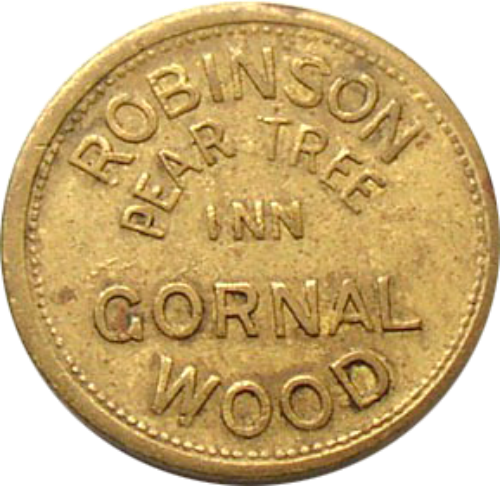
At the height of the Industrial Revolution, Gornal was as busy with pubs as it was Windmills. Many inns took the name from the tradespeople that drink there such as the Miners or Nailers. In Gornal however, it was usual for the locals to give their local another name as there were a number of duplications of pub names. These are the locations of 55 Gornal pubs that we can find - There were others but the locations are sometimes difficult to pin point. Many inns were no more than people’s homes who started brewing beer and selling it to others. By the 1970’s only FOUR home brew pubs remained in the whole of the UK, three were in the Midlands. 1888 map of Gornal pubs - numbered to match the pdf During the 17th to 20th centuries, public houses sometimes issued tokens which could be used in payment for future drinks. The most popular period being between 1860 to 1890 Gornal was no different and many of the pubs issued their own tokens or Pub Checks. These were usually made of brass and there is some debate as to exactly why they were introduced. Some had the licensee name on them which meant that when they moved on the new licensee could decide not to honour them and often they would be lost or forgotten about which would be a financial bonus for the publican. Most of the tokens in England were made in Birmingham and it’s believed that local employers such as nailmakers and mine owners would issue these tokens as part of the wages to their employees, presumably they or their families were the pub owners.














Historical Pubs
At the height of the Industrial Revolution, Gornal was as busy with pubs as it was Windmills. Many inns took the name from the tradespeople that drink there such as the Miners or Nailers. In Gornal however, it was usual for the locals to give their local another name as there were a number of duplications of pub names. These are the locations of 55 Gornal pubs that we can find - There were others but the locations are sometimes difficult to pin point. Many inns were no more than people’s homes who started brewing beer and selling it to others. By the 1970’s only FOUR home brew pubs remained in the whole of the UK, three were in the Midlands. 1888 map of Gornal pubs - numbered to match the pdf During the 17th to 20th centuries, public houses sometimes issued tokens which could be used in payment for future drinks. The most popular period being between 1860 to 1890 Gornal was no different and many of the pubs issued their own tokens or Pub Checks. These were usually made of brass and there is some debate as to exactly why they were introduced. Some had the licensee name on them which meant that when they moved on the new licensee could decide not to honour them and often they would be lost or forgotten about which would be a financial bonus for the publican. Most of the tokens in England were made in Birmingham and it’s believed that local employers such as nailmakers and mine owners would issue these tokens as part of the wages to their employees, presumably they or their families were the pub owners.


- News
- Bookings
- History
- Galleries
- The Area
- The Mill
- Friends
- Contact
