Dudley Caverns & Tunnels
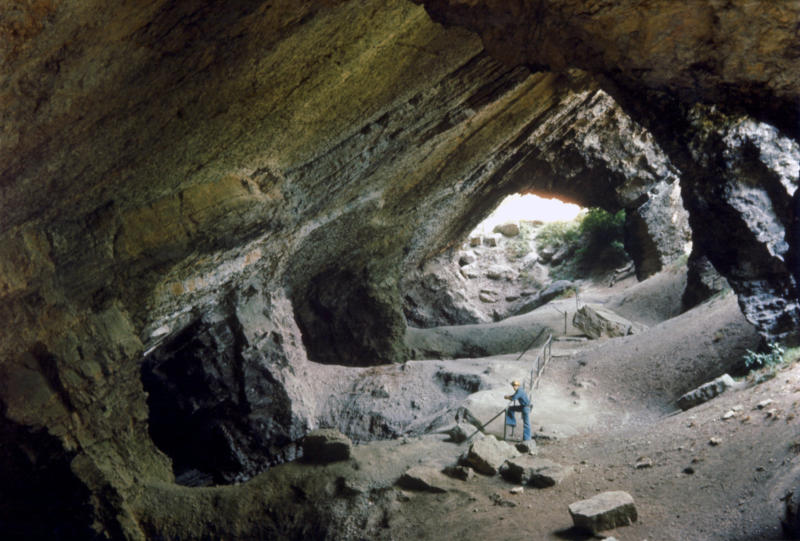
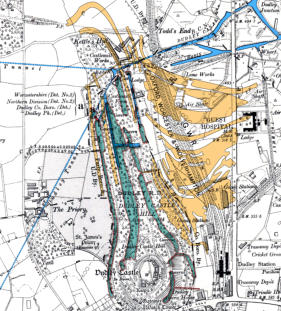
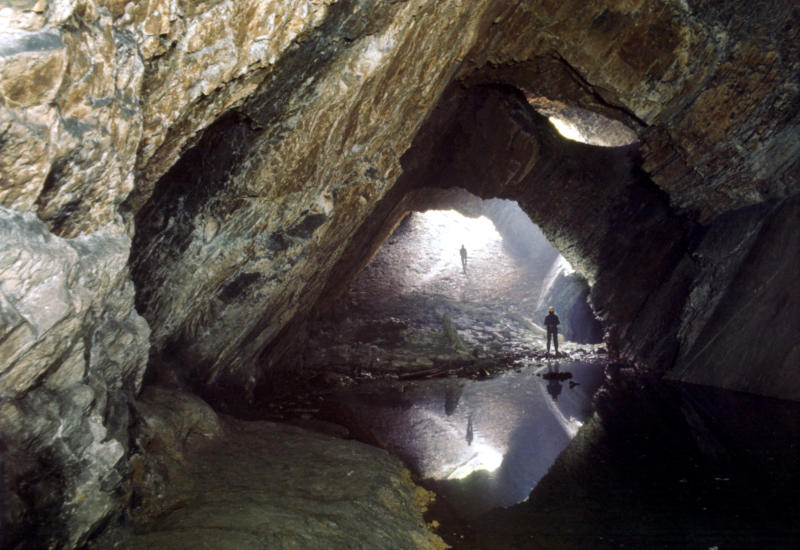
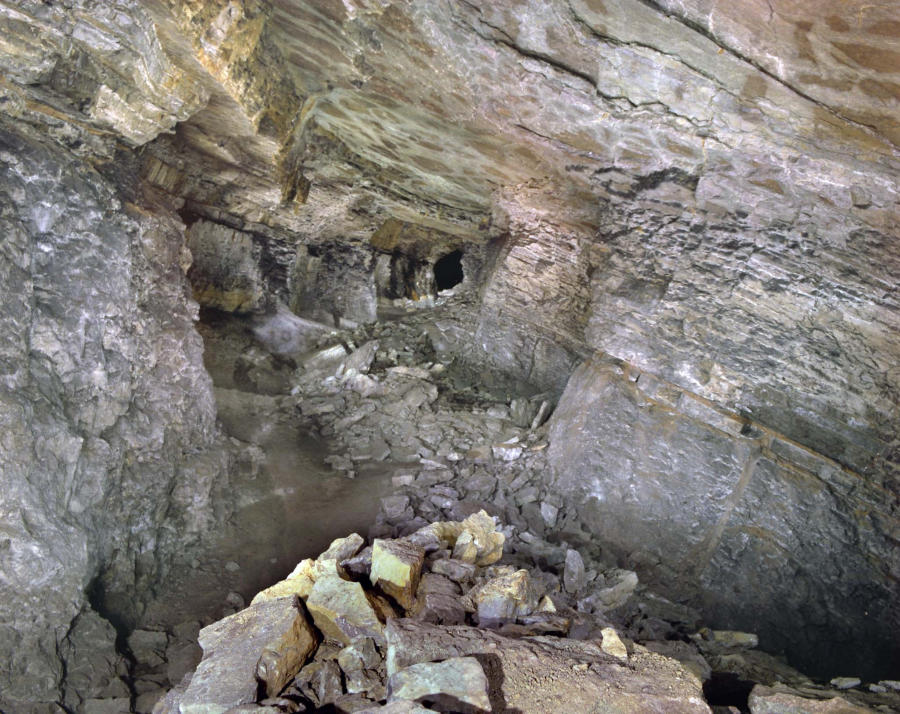
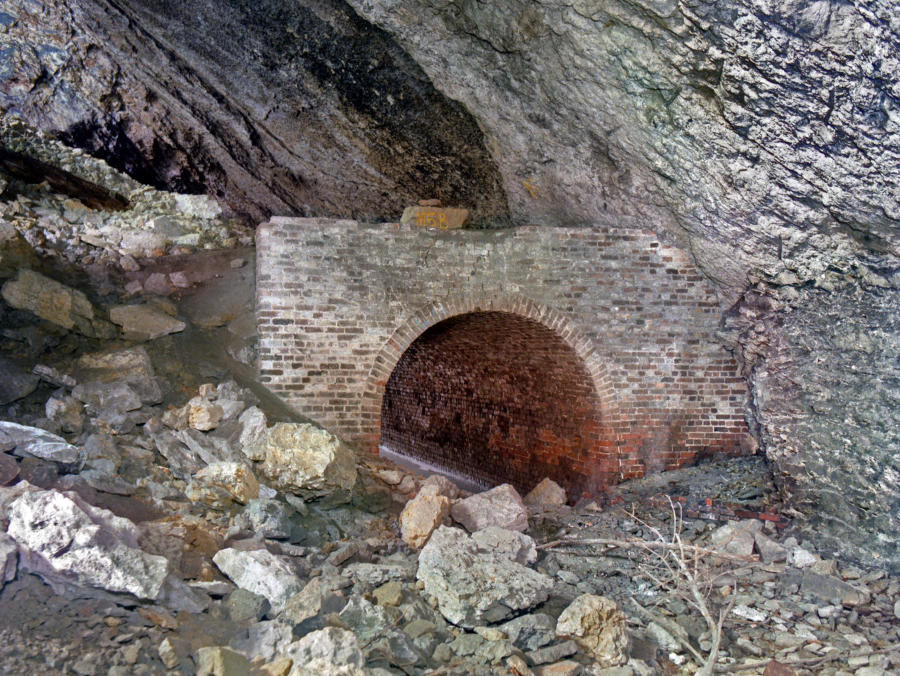
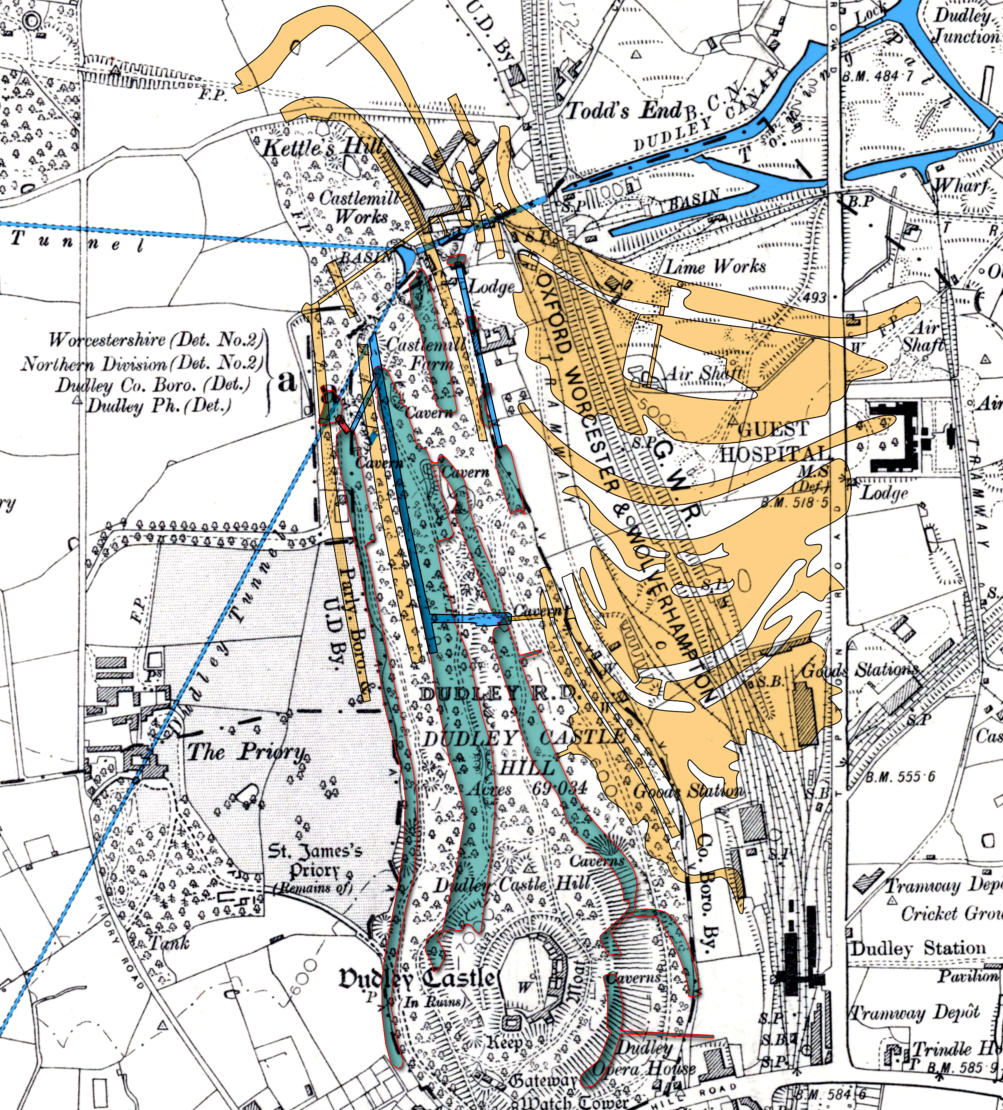
The area around Gornal and Dudley is predominantly made up of the Pennine Lower Coal seam with three notable exceptions. Upper Gornal, Wren’s Nest and Castle Hill form three areas of Ludlow Sandstone which rise up above the surrounding coal seam making the area rich in minerals but with complications in transporting those minerals out of the area. The mining of these minerals created a network of tunnels and caverns under Dudley. Limestone has been mined in the Dudley area for centuries starting in the 11th century for stone to build Dudley castle and then in the 12th century to build St James’ priory all being obtained from surface quarries on Castle Hill. Wren’s Nest, an important part of the Black Country Geopark is internationally renowned for superbly preserved fossils of marine creatures that lived in an environment similar to that of the Great Barrier Reef of the present time and the extent of the quarrying of limestone that occurred here in the heartland of the Industrial Revolution. To link the Limestone quarries owned by John Ward, 2nd Viscount Dudley on the Gornal side to the West of Wren’s Nest, Viscount Dudley and Thomas Talbot Foley built a canal tunnel under Wren’s Nest which met Lord Dudley’s No. 1 canal at Castle Mill Basin on the Northern side of Castle Hill. Lord Dudley built a connecting canal in 1775, which branched from the 473 ft Wolverhampton Level of the Birmingham Canal at Tipton now known as the Old Main Line. This included a 250 yard tunnel (the oldest canal tunnel in the world) to Shirts Mill Basin at the South West of what is now Castle Mill Works industrial estate which then continues to Castle Mill Basin. The canal was completed by 1778. Both basins are open to the air. To link this this section the Dudley Tunnel was built in 1785 from Castle Mill Basin linking Dudley Canal Line No 1 to the Stourbridge Canal. At about 3,172 yards (2,900.5 m) long, it is now the second longest canal tunnel on the UK canal network today. The main tunnel is 2,942 yards (2,690.2 m), Lord Ward's tunnel is 196 yards (179.2 m) and Castle Mill basin is 34 yards (31.1 m). The Birmingham Canal Company insisted on building a stop lock at Tipton Green because of fears of losing water to the Dudley Canal. This was removed in 1845 when the Dudley Canal Company was amalgamated with the Birmingham Canal Company. The tunnel opened on the 15th October 1792. In 1959 the British Transport Commission sought to close the tunnel but this led to an Inland Waterways Association-organised massed protest cruise in 1960. The tunnel was however closed in 1962 and was further threatened with permanent closure by British Railways who wished to replace a railway viaduct at the Tipton portal with an embankment and a culvert. However, this never happened as the railway was closed in 1968 and the disused bridge demolished in the 1990s. The tunnel was reopened in 1973, as a result of restoration, which had been a collaboration between local volunteers (originally the Dudley Canal Tunnel Preservation Society, later the Dudley Canal Trust), and the local authority, Dudley Borough Council. Along with the canal tunnels a network of limestone workings still exist under Castle Hill, Wrens Nest and Mons Hill although some have been filled in as they were no longer safe to enter. The limestone was transported to Viscount Dudley’s lime kilns located in the canal basin in what is now the Black Country Living Museum. During the 18th and 19th centuries, it was extensively used in the developing Black Country iron industry as a flux that could be used to clean and purify the iron in the blast furnace. This amazing network of subterranean chambers cut into the rock formed 425 million years ago when the area was not only a sea bed but also South of the equator, is so large that three levels of caverns are separated only by three-metre-thick thick floors of rock and where in the Dark Cavern, Sir Roderick Murchison lectured on geology to 15,000 people in 1839. There were a combination of underground workings connected by tunnels, plate way railways with underground basins and wharves for loading boats and by the middle of the 19th century Lord Dudley had installed gas lighting and a bandstand in The Dark Cavern. Dark Cavern was originally around ½ mile long 100 ft wide and 75ft high before a roof collapse created the second Big Ben cavern. The Singing Cavern is now part of the Dudley Canal Tours which is accessed from the Cathedral Arch and returns to the Dudley Tunnel via a new tunnel built in 1984 Most of the mines were filled with Rock Paste, a gravelly slurry which gives them potential to be opened back up in the future if enough funding can be found. The Seven Sisters mine entrances where limestone was mined in square areas underground, had a pillar of unworked limestone at each corner supporting the roof. Two of the original seven pillars were removed for safety, so now only ‘five sisters’ remain. Here the rock beds fall steeply westward, with the caverns extending almost 100 metres along the dip of the rock. Water drained from the limestone seam workings directly into the canal seventy metres below and a horse powered winding gin lowered the limestone from the kilns above into the waiting boats below. In the height of the Industrial Revolution more than 90,000 tonnes of limestone were mined each year in these mines and then transported to lime works and iron works all over the Black Country. The last mine closed on Wren’s Nest in 1927 In 1959 the British Transport Commission sought to close the tunnel but this led to an Inland Waterways Association-organised massed protest cruise in 1960. The tunnel was however closed in 1962; and was further threatened with permanent closure by British Railways who wished to replace a railway viaduct at the Tipton portal with an embankment and a culvert. However, this never happened as the railway was closed in 1968 and the disused bridge demolished in the 1990s. The tunnel was reopened in 1973, as a result of restoration, which had been a collaboration between local volunteers (originally the Dudley Canal Tunnel Preservation Society, later the Dudley Canal Trust), and the local authority, Dudley Borough Council. In 1989 Nick Catford explored much of the underground tunnels under Castle Hill and has very kindly allowed us to use some of his photographs taken at the time - you can also read his article about his experience.










Dudley Caverns & Tunnels
The area around Gornal and Dudley is predominantly made up of the Pennine Lower Coal seam with three notable exceptions. Upper Gornal, Wren’s Nest and Castle Hill form three areas of Ludlow Sandstone which rise up above the surrounding coal seam making the area rich in minerals but with complications in transporting those minerals out of the area. The mining of these minerals created a network of tunnels and caverns under Dudley. Limestone has been mined in the Dudley area for centuries starting in the 11th century for stone to build Dudley castle and then in the 12th century to build St James’ priory all being obtained from surface quarries on Castle Hill. Wren’s Nest, an important part of the Black Country Geopark is internationally renowned for superbly preserved fossils of marine creatures that lived in an environment similar to that of the Great Barrier Reef of the present time and the extent of the quarrying of limestone that occurred here in the heartland of the Industrial Revolution. To link the Limestone quarries owned by John Ward, 2nd Viscount Dudley on the Gornal side to the West of Wren’s Nest, Viscount Dudley and Thomas Talbot Foley built a canal tunnel under Wren’s Nest which met Lord Dudley’s No. 1 canal at Castle Mill Basin on the Northern side of Castle Hill. Lord Dudley built a connecting canal in 1775, which branched from the 473 ft Wolverhampton Level of the Birmingham Canal at Tipton now known as the Old Main Line. This included a 250 yard tunnel (the oldest canal tunnel in the world) to Shirts Mill Basin at the South West of what is now Castle Mill Works industrial estate which then continues to Castle Mill Basin. The canal was completed by 1778. Both basins are open to the air. To link this this section the Dudley Tunnel was built in 1785 from Castle Mill Basin linking Dudley Canal Line No 1 to the Stourbridge Canal. At about 3,172 yards (2,900.5 m) long, it is now the second longest canal tunnel on the UK canal network today. The main tunnel is 2,942 yards (2,690.2 m), Lord Ward's tunnel is 196 yards (179.2 m) and Castle Mill basin is 34 yards (31.1 m). The Birmingham Canal Company insisted on building a stop lock at Tipton Green because of fears of losing water to the Dudley Canal. This was removed in 1845 when the Dudley Canal Company was amalgamated with the Birmingham Canal Company. The tunnel opened on the 15th October 1792. In 1959 the British Transport Commission sought to close the tunnel but this led to an Inland Waterways Association-organised massed protest cruise in 1960. The tunnel was however closed in 1962 and was further threatened with permanent closure by British Railways who wished to replace a railway viaduct at the Tipton portal with an embankment and a culvert. However, this never happened as the railway was closed in 1968 and the disused bridge demolished in the 1990s. The tunnel was reopened in 1973, as a result of restoration, which had been a collaboration between local volunteers (originally the Dudley Canal Tunnel Preservation Society, later the Dudley Canal Trust), and the local authority, Dudley Borough Council. Along with the canal tunnels a network of limestone workings still exist under Castle Hill, Wrens Nest and Mons Hill although some have been filled in as they were no longer safe to enter. The limestone was transported to Viscount Dudley’s lime kilns located in the canal basin in what is now the Black Country Living Museum. During the 18th and 19th centuries, it was extensively used in the developing Black Country iron industry as a flux that could be used to clean and purify the iron in the blast furnace. This amazing network of subterranean chambers cut into the rock formed 425 million years ago when the area was not only a sea bed but also South of the equator, is so large that three levels of caverns are separated only by three-metre-thick thick floors of rock and where in the Dark Cavern, Sir Roderick Murchison lectured on geology to 15,000 people in 1839. There were a combination of underground workings connected by tunnels, plate way railways with underground basins and wharves for loading boats and by the middle of the 19th century Lord Dudley had installed gas lighting and a bandstand in The Dark Cavern. Dark Cavern was originally around ½ mile long 100 ft wide and 75ft high before a roof collapse created the second Big Ben cavern. The Singing Cavern is now part of the Dudley Canal Tours which is accessed from the Cathedral Arch and returns to the Dudley Tunnel via a new tunnel built in 1984 Most of the mines were filled with Rock Paste, a gravelly slurry which gives them potential to be opened back up in the future if enough funding can be found. The Seven Sisters mine entrances where limestone was mined in square areas underground, had a pillar of unworked limestone at each corner supporting the roof. Two of the original seven pillars were removed for safety, so now only ‘five sisters’ remain. Here the rock beds fall steeply westward, with the caverns extending almost 100 metres along the dip of the rock. Water drained from the limestone seam workings directly into the canal seventy metres below and a horse powered winding gin lowered the limestone from the kilns above into the waiting boats below. In the height of the Industrial Revolution more than 90,000 tonnes of limestone were mined each year in these mines and then transported to lime works and iron works all over the Black Country. The last mine closed on Wren’s Nest in 1927 In 1959 the British Transport Commission sought to close the tunnel but this led to an Inland Waterways Association-organised massed protest cruise in 1960. The tunnel was however closed in 1962; and was further threatened with permanent closure by British Railways who wished to replace a railway viaduct at the Tipton portal with an embankment and a culvert. However, this never happened as the railway was closed in 1968 and the disused bridge demolished in the 1990s. The tunnel was reopened in 1973, as a result of restoration, which had been a collaboration between local volunteers (originally the Dudley Canal Tunnel Preservation Society, later the Dudley Canal Trust), and the local authority, Dudley Borough Council.




- News
- Bookings
- History
- Galleries
- The Area
- The Mill
- Friends
- Contact
