Holbeche House
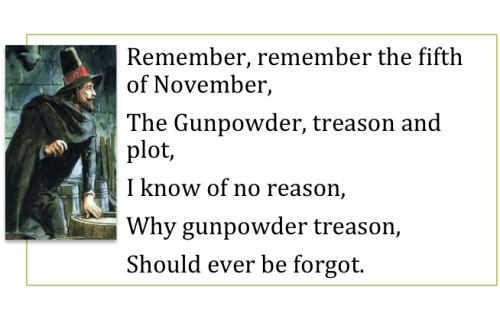
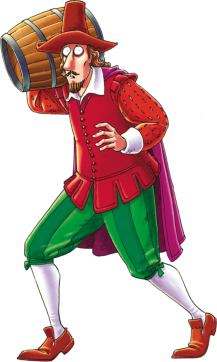
Remember, Remember the fifth of November.
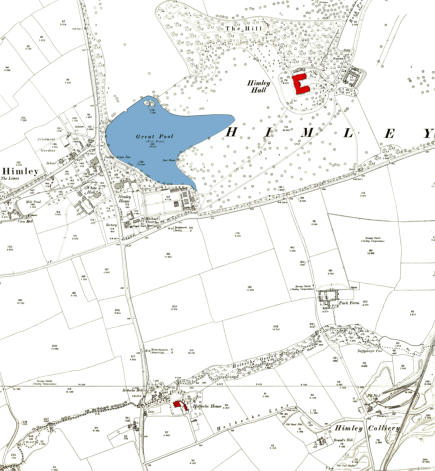
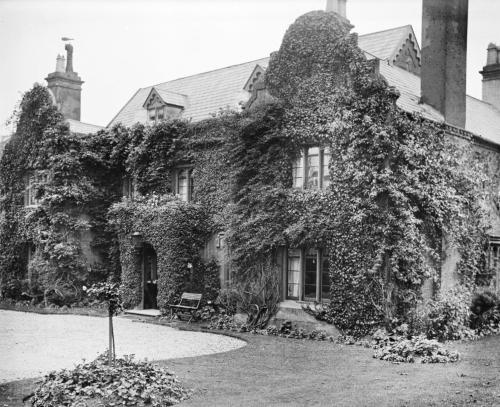
Holbeche House is a Grade II* listed mansion located 1 mile north of Kingswinford and a
short walk from Himley Hall.
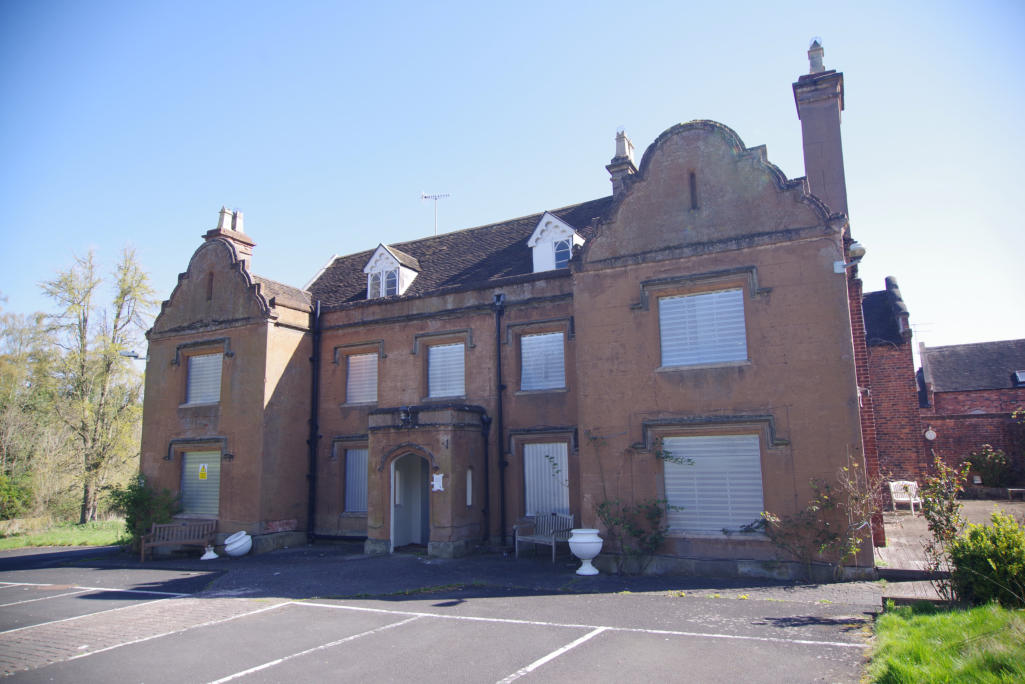
The building was constructed circa 1600, largely refaced in the early nineteenth century.
The original house has a central Stucco block of three bays, with two stories and an attic with
dormer windows, and projecting side wings with Dutch gables at each end.
Five windows with rustic glazing and hood moulds, arched rusticated porch, early 19th
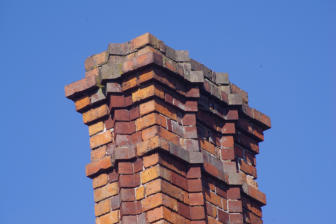
century stacks and one restored stack with diagonal brick shafts.
Some original wood panelling remains inside. New façades were added in the early 19th
century, and the house was later expanded.
The Pitt family were owners in the mid 20 century where they lived in splendour.
In 1951, it became a Grade II* listed building and later became a private nursing home
operated by Four Seasons Health Care.
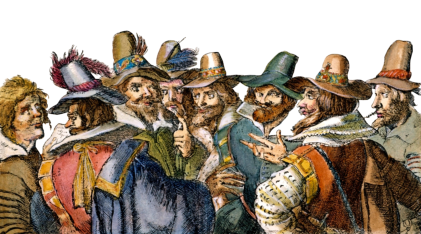
In 1605 the House was owned by Stephen Lyttleton, part of the extensive Catholic Lyttleton family who owned numerous estates in the area. It became the last bloody stand of the
Gunpowder Plotters as they retreated from London after trying to blow up the Houses of Parliament and House of Lords on the opening of Parliament when King James I would be
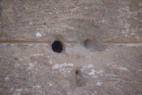
present. The building was partly destroyed when the conspirators were arrested and still has bullet holes in the front elevation from the shoot out.
The group of plotters had fled to the house on the evening of 7 November.
They were:
•
Robert Catesby
•
Thomas Percy
•
Francis Tresham
•
John and Christopher Wright
•
Thomas and Robert Winter
•
Thomas Bates
•
Ambrose Rookwood
•
Sir Everard Digby
•
Robert Keyes
•
John Grant
Knowing Guy Fawkes had been captured and their plot to kill the Protestant king discovered, they went on the run, arriving at Holbeche House where they had been offered a
hiding place.
Chaos then ensued, some of the group’s gunpowder had got wet whilst the gang were crossing the River Stour at Amblecote, this had then be laid out in front of an open fire to dry.
Rather unsurprisingly it was ignited by a stray spark, causing a much larger bag of gunpowder to be jettisoned through the roof of the house, landing outside in Holbeche’s
courtyard.
This explosion injured Robert Catesby, the plot’s mastermind and led to further desertions from the band of rebels, some of whom
thought that the
explosion was divine intervention.
Local militia led by the Sheriff of Worcestershire caught up with the last of the “rebellious
persons” at Holbeche on the morning of 8 November. The soldiers included some of the
Sheriff of Staffordshire’s men as this was border country.
In the bloody siege that ensued, arch plotter Robert Catesby and fellow gang member
Thomas Percy were caught with a single musket shot. Catesby died instantly, though Percy
survived for a few days. They were buried nearby but their bodies were later exhumed and
decapitated, with the severed heads put on display outside Parliament.
Two other plotters, John and Christopher Wright also perished in the siege, that led to
squabbles between the competing militias.
Arguments about who was taking who as prisoner, who grabbed who first, lead to a scuffle between the different forces in a local alehouse.
Eventually, it was settled and the two plotters that survived – Wintour and Rookwood – were carted off to Worcester Town Hall to meet their trial and an eventual ghastly fate.
Robert Keyes was captured several days later in Warwickshire, Ambrose Rookwood was imprisoned in the Tower of London after being caught at Holbeche, Sir Everard Digby
managed to evade officials for a while longer but was eventually arrested along with Francis Tresham, who had remained in the city.
Holbeche’s owner Lyttelton had managed to flee Holbeche before the siege famously trying to warn Thomas Wintour to avoid the house. In his confession, Wintour explained he
had insisted on travelling on to Holbeche to speak to Catesby and the remaining plotters who confirmed to him that they would not flee and, “we mean here to die.”
Lyttelton hid in various locations in Worcestershire for 8 weeks, staying with sympathetic friends in Wordsley, Rowley Village and at his Uncle Humphrey Lyttelton’s Hagley Hall. He
was eventually caught in January 1606 after being betrayed by a member of the hall’s household staff. It is believed that the first farm they hid at was Cooper’s Bank Farm in Gornal
Those that were captured at Holbeche or arrested in the days and months that followed were convicted at their trial and sentenced to be hanged, drawn and quartered.
Months later, January 30th and 31st, the entire group of conspirators were executed in front of hundreds of people in London. Their heads were displayed on poles around the city
as a warning of what would happen to others if they too committed treason.
Both Stephen and Humphrey were to be eventually executed for their connections to what is the most infamous terror plot hatched on English soil.
Lyttelton was regarded as a prominent figure in the catholic community in the Midlands and was the grandson of Sir John Littleton, who purchased the manor of Clent and
Kingswinford Parish in the mid-16th century.
Two farmers Thomas Smart and John Holyhead, both from Rowley Regis, who had helped to shelter two of the runaways, met a gruesome end at High Green, now Queen Square, in
Wolverhampton where they were executed.
Although much of the original building was destroyed in the explosion, evidence from it still remains at Holbeche House where bullet marks can be seen on the walls from the
stand-off. There is also a priest hole in the home that is on display for all to see. It was thought that this was a tunnel made by the plotters in an attempt of escape, but it was in
fact just used for water storage under the house.
The house, once owned by the Earl of Dudley is now derelict and boarded up.




Holbeche House
Remember, Remember the fifth of November.
Holbeche House is a Grade II* listed mansion located 1 mile north of
Kingswinford and a short walk from Himley Hall.
The building was constructed circa 1600, largely refaced in the early
nineteenth century.
The original house has a central Stucco block of three bays, with two
stories and an attic with dormer windows, and projecting side wings
with Dutch gables at each end.
Five windows with rustic glazing and hood moulds, arched rusticated
porch, early 19th century stacks and one restored stack with diagonal
brick shafts.
Some original wood panelling remains inside. New façades were added
in the early 19th century, and the house was later expanded.
The Pitt family were owners in the mid 20 century where they lived in
splendour.
In 1951, it became a Grade II* listed building and later became a private
nursing home operated by Four Seasons Health Care.
In 1605 the House was owned by Stephen Lyttleton, part of the
extensive Catholic Lyttleton family who owned numerous estates in the
area. It became the last bloody stand of the Gunpowder Plotters as they
retreated from London after trying to blow up the Houses of Parliament
and House of Lords on the opening of Parliament when King James I
would be present. The building was partly destroyed when the
conspirators were arrested and still has bullet holes in the front
elevation from the shoot out.
The group of plotters had fled to the house on the evening of 7
November.
They were:
•
Robert Catesby
•
Thomas Percy
•
Francis Tresham
•
John and Christopher Wright
•
Thomas and Robert Winter
•
Thomas Bates
•
Ambrose Rookwood
•
Sir Everard Digby
•
Robert Keyes
•
John Grant
Knowing Guy Fawkes had been captured and their plot to kill the
Protestant king discovered, they went on the run, arriving at Holbeche
House where they had been offered a hiding place.
Chaos then ensued, some of the group’s gunpowder had got wet whilst
the gang were crossing the River Stour at Amblecote, this had then be
laid out in front of an open fire to dry. Rather unsurprisingly it was
ignited by a stray spark, causing a much larger bag of gunpowder to be
jettisoned through the roof of the house, landing outside in Holbeche’s
courtyard.
This explosion injured Robert Catesby, the plot’s mastermind and led to
further desertions from the band of rebels, some of whom
thought that the explosion was divine intervention.
Local militia led by the Sheriff of Worcestershire caught up with the last
of the “rebellious persons” at Holbeche on the morning of 8 November.
The soldiers included some of the Sheriff of Staffordshire’s men as this
was border country.
In the bloody siege that ensued, arch plotter Robert Catesby and fellow
gang member Thomas Percy were caught with a single musket shot.
Catesby died instantly, though Percy survived for a few days. They were
buried nearby but their bodies were later exhumed and decapitated,
with the severed heads put on display outside Parliament.
Two other plotters, John and Christopher Wright also perished in the
siege, that led to squabbles between the competing militias.
Arguments about who was taking who as prisoner, who grabbed who
first, lead to a scuffle between the different forces in a local alehouse.
Eventually, it was settled and the two plotters that survived – Wintour
and Rookwood – were carted off to Worcester Town Hall to meet their
trial and an eventual ghastly fate.
Robert Keyes was captured several days later in Warwickshire, Ambrose
Rookwood was imprisoned in the Tower of London after being caught at
Holbeche, Sir Everard Digby managed to evade officials for a while
longer but was eventually arrested along with Francis Tresham, who had
remained in the city.
Holbeche’s owner Lyttelton had managed to flee Holbeche before the
siege famously trying to warn Thomas Wintour to avoid the house. In his
confession, Wintour explained he had insisted on travelling on to
Holbeche to speak to Catesby and the remaining plotters who confirmed
to him that they would not flee and, “we mean here to die.”
Lyttelton hid in various locations in Worcestershire for 8 weeks, staying
with sympathetic friends in Wordsley, Rowley Village and at his Uncle
Humphrey Lyttelton’s Hagley Hall. He was eventually caught in January
1606 after being betrayed by a member of the hall’s household staff. It is
believed that the first farm they hid at was Cooper’s Bank Farm in Gornal
Those that were captured at Holbeche or arrested in the days and
months that followed were convicted at their trial and sentenced to be
hanged, drawn and quartered.
Months later, January 30th and 31st, the entire group of conspirators
were executed in front of hundreds of people in London. Their heads
were displayed on poles around the city as a warning of what would
happen to others if they too committed treason.
Both Stephen and Humphrey were to be eventually executed for their
connections to what is the most infamous terror plot hatched on English
soil.
Lyttelton was regarded as a prominent figure in the catholic community
in the Midlands and was the grandson of Sir John Littleton, who
purchased the manor of Clent and Kingswinford Parish in the mid-16th
century.
Two farmers Thomas Smart and John Holyhead, both from Rowley Regis,
who had helped to shelter two of the runaways, met a gruesome end at
High Green, now Queen Square, in Wolverhampton where they were
executed.
Although much of the original building was destroyed in the explosion,
evidence from it still remains at Holbeche House where bullet marks
can be seen on the walls from the stand-off. There is also a priest hole
in the home that is on display for all to see. It was thought that this was
a tunnel made by the plotters in an attempt of escape, but it was in fact
just used for water storage under the house.
The house, once owned by the Earl of Dudley is now derelict and
boarded up.